Education
Debate Continues Over Whether Illinois Should Join a Federal Tax Credit Scholarship Program
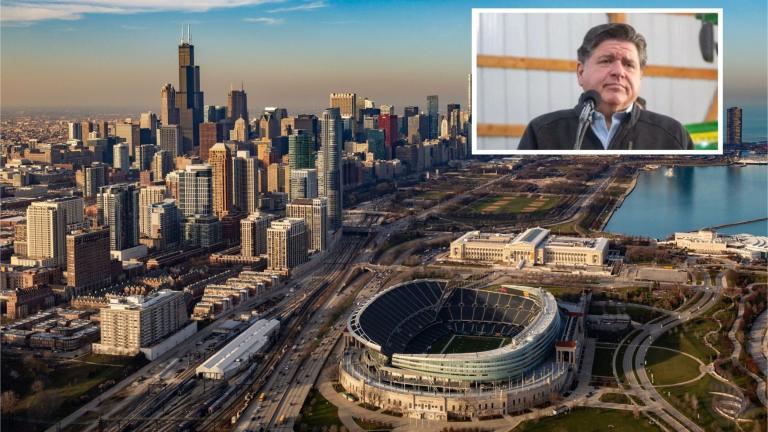
A federal tax-credit scholarship program created last summer under the “Big Beautiful Bill” could send millions to Illinois students, if Gov. JB Pritzker or the Illinois General Assembly decides to opt in.
But critics say the tax credit is a school voucher program in disguise that will divert money from public to private schools.
Cassie Crewswell, executive director of Illinois Families for Public Schools, a nonprofit organization aimed at improving Illinois public schools, said state leaders should be cautious of the federal government’s motivations.
“I don’t think we can expect the Trump administration to be creating a program that is going to help public schools,” Creswell said. “That is just not what their goal is.”
The program works by offering taxpayers who donate to scholarship-granting organizations a dollar-to-dollar tax credit of up to $1,700, effectively allowing individuals to donate for free. Those organizations would then distribute the money to families, who could use it for expenses such as ACT or SAT prep, college counseling and tutoring.
People in any state can receive the tax credit for donating, but only students in states that officially join the program would be eligible for scholarships. So far, 31 states — all Republican-leaning except Colorado and New York — have indicated they will opt into the program.
Families have discretion to choose which scholarship-granting organizations they donate to and are not forced to support organizations that promote private schools. But Creswell said scholarship-granting organizations backed by wealthy interests and private institutions are often the best funded and most heavily promoted.
“States are not going to have the option to regulate the so-called scholarship organizations,” Creswell said. “Those can be set up by anyone who can set up a 501c3… there are already very large multi-state SGOs existing around the country, and those are really set up to benefit from this program. They have the infrastructure, the advertising and the marketing.”
Pritzker has given little indication so far whether he supports the state joining the program.
On Jan. 27, 45 state and local organizations, including Illinois Families for Public Schools, wrote a letter urging Pritzker to withhold Illinois’ participation.
“We urge you to make a formal commitment that Illinois will not participate in the new federal school voucher program to begin in 2027,” the letter reads. “Voucher programs divert public dollars to fund private schools.”
The Illinois Federation of Teachers, the Illinois Education Association and the Cook County Teachers Union IFT Local 1600 and others, also signed the letter. The organizations argue the new federal tax credit too closely mirrors Illinois’ Invest in Kids program, which they say diverted $315 million from the state’s general revenue fund away from public schools over six years.
The program sunset in 2023, but not before dispersing 40,940 scholarships to help Illinois students pay for private education. But many of the private schools that saw an influx of enrollment discriminated against at least one protected class of students, Creswell said.
“The key problems with that program (Invest in Kids) were discrimination. We saw discrimination against students with disabilities, LGBTQ+ students, undocumented immigrant students, and pregnant-parenting students,” Creswell said.
Unlike public schools, private schools are not required by the state to serve all students and can set their own admissions standards.
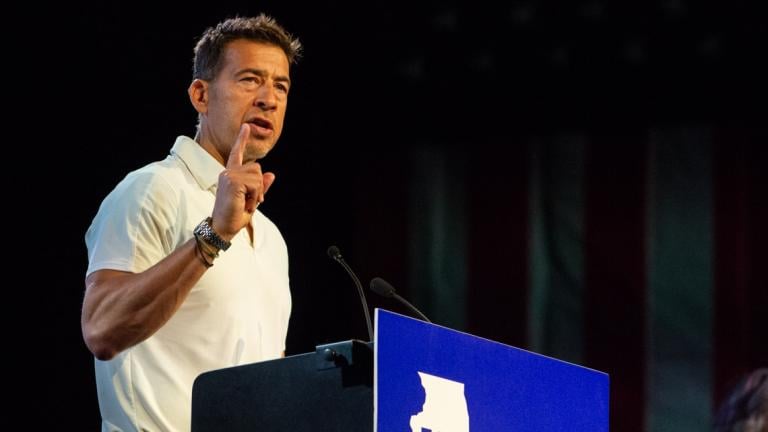
There are also groups urging Pritzker to opt in. Bobby Sylvester, vice president of The Urban Center, a Chicago-based organization focused on developing centrist leaders and a “common-sense” policy agenda, pushed back on the notion that the program would mostly benefit private schools.
“Billions, if not tens of billions of dollars, could come to benefit the education of children in Illinois, both at public and private institutions,” Sylvester said. “Since most Illinois students are public school students, they would benefit the most if Gov. Pritzker opts into this program.”
Sylvester used to work for Empower Illinois, the state’s largest scholarship-granting organization while the Invest in Kids program was still active. He said that as public schools grapple with major budget deficits fueled by declining COVID-19 relief funding, students cannot afford to turn the money down.
“Critics of the program say that public schools are underfunded,” Sylvester said. “Why, then, do they want to turn away free money?”
Sylvester added that the program does not require taxpayers to support a specific type of SGO, including those that promote private schools.
During the March primaries, Illinois voters approved a non-binding ballot referendum in support of participation in the tax-credit program.
Momentum for the program has stalled in the state legislature, with strong Republican backing but limited support from Democrats. In early February, state Sen. Adriane Johnson, D-Buffalo Grove, introduced Senate Bill 3776, which would make Illinois eligible. Johnson and co-sponsor Sen. David Koehler, D-Peoria, are the only Democrats in the legislature backing the effort to opt in.
The program officially begins in January 2027.